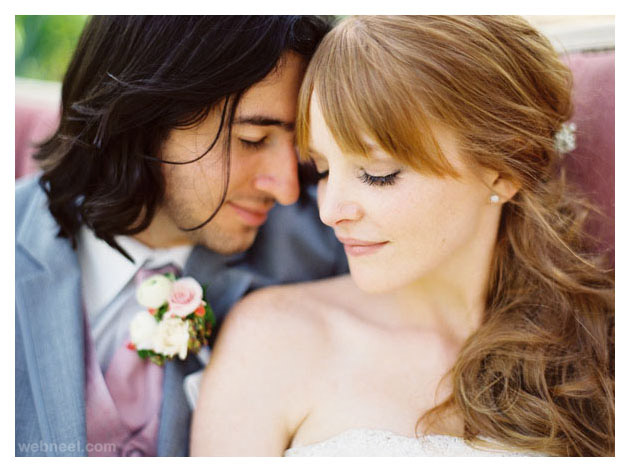
Love and affection
Monday, March 28, 2016
How Friendship Turns Into Romance
Someone new has caught your attention—and seems to be flirting with you. Are those quick smiles a signal of interest, or is all of this friendly banter really just signs of friendliness?
Is this a chance for love, or not?

The challenge of determining if a new connection is on the road to love or friendship is made complicated by a number of factors. (For more on the differences between love and friendship, read here.) For example, are you thinking about the possibility of intense passion, a traditional romance, or intimate companionship? Are you looking for a casual fling or a life-long partnership? And how do you define love?
If you’re looking for a long-term romantic relationship, it’s important to recognize that they can vary in their quality quite widely. Individuals enter relationships with a diverse range of expectations and plans that are enacted over time; couples vary in their happiness, what they value in relationships, and how well their needs are met by their partners. One pattern that has emerged is that focusing on friendship in a relationship could actually be an incredibly healthy part of any long-term connection (VanderDrift, Wilson, & Agnew, 2013).
This suggests, then, that nurturing friendship with a new acquaintance could be a great way to find love. But yet this seems contradictory: Why devote friend-related energy to a relationship that you really want to be a romance?
Because friendship, it turns out, can make or break a romantic relationship. This is not unexpected: Most people would identify friendship as a feature of long-term love, but recent scientific study demonstrates how valuing friendship may improve one's relationship quality. VanderDrift and colleagues (2012) showed that an array of positive outcomes is connected to how much people value a romantic partner as their friend.
Specifically, valuing friendship in a romantic relationship predicts commitment (no surprise), love (no surprise), and (surprise!) sexual need fulfillment (VanderDrift et al., 2012). Friendship in love, therefore, isn’t just about promoting support, understanding, and companionship—it also plays into the sex lives of couples. Interestingly, the research found that couples that directly prioritize the satisfaction of sexual needs actually end up with less fulfillment of those needs, whereas valuing friendship appeared to promote greater sexual need fulfillment.
Valuing friendship in a partner is far more important than most people think, as it protects against relationship dissolution, and supports positive relationship outcomes.
How does this relate to our initial attraction dilemma? If you are having trouble deciding if someone’s flirting or just being friendly, you might consider beginning by investing in the friendship. Such efforts would allow for more interaction and time spent together; and ultimately, more opportunity to discover shared interests, goals, or hobbies. Time together can also provide more space for acting on romantic feelings, should they be shared. If the potential for a romantic relationship is there, your initial efforts to value the friendship in that relationship can actually promote its long-term stability and health.
Someone new has caught your attention—and seems to be flirting with you. Are those quick smiles a signal of interest, or is all of this friendly banter really just signs of friendliness?
Is this a chance for love, or not?
The challenge of determining if a new connection is on the road to love or friendship is made complicated by a number of factors. (For more on the differences between love and friendship, read here.) For example, are you thinking about the possibility of intense passion, a traditional romance, or intimate companionship? Are you looking for a casual fling or a life-long partnership? And how do you define love?
If you’re looking for a long-term romantic relationship, it’s important to recognize that they can vary in their quality quite widely. Individuals enter relationships with a diverse range of expectations and plans that are enacted over time; couples vary in their happiness, what they value in relationships, and how well their needs are met by their partners. One pattern that has emerged is that focusing on friendship in a relationship could actually be an incredibly healthy part of any long-term connection (VanderDrift, Wilson, & Agnew, 2013).
This suggests, then, that nurturing friendship with a new acquaintance could be a great way to find love. But yet this seems contradictory: Why devote friend-related energy to a relationship that you really want to be a romance?
Because friendship, it turns out, can make or break a romantic relationship. This is not unexpected: Most people would identify friendship as a feature of long-term love, but recent scientific study demonstrates how valuing friendship may improve one's relationship quality. VanderDrift and colleagues (2012) showed that an array of positive outcomes is connected to how much people value a romantic partner as their friend.
Specifically, valuing friendship in a romantic relationship predicts commitment (no surprise), love (no surprise), and (surprise!) sexual need fulfillment (VanderDrift et al., 2012). Friendship in love, therefore, isn’t just about promoting support, understanding, and companionship—it also plays into the sex lives of couples. Interestingly, the research found that couples that directly prioritize the satisfaction of sexual needs actually end up with less fulfillment of those needs, whereas valuing friendship appeared to promote greater sexual need fulfillment.
Valuing friendship in a partner is far more important than most people think, as it protects against relationship dissolution, and supports positive relationship outcomes.
How does this relate to our initial attraction dilemma? If you are having trouble deciding if someone’s flirting or just being friendly, you might consider beginning by investing in the friendship. Such efforts would allow for more interaction and time spent together; and ultimately, more opportunity to discover shared interests, goals, or hobbies. Time together can also provide more space for acting on romantic feelings, should they be shared. If the potential for a romantic relationship is there, your initial efforts to value the friendship in that relationship can actually promote its long-term stability and health.

7 Signs You’re in an Unhealthy Rebound Relationship
Romantic relationship dissolution is often not easy,
especially after two people walked a journey together. To avoid facing
the feelings of loss, grief, and/or rejection, one might be tempted to “rebound”, and jump right into another intimate association.
Researchers Brumbaugh and Fraley define rebound relationship as: “A relationship that is initiated shortly after a romantic breakup—before the feelings about the former relationship have been resolved.”(1) Studies indicate that while some rebound relationships can be successful, others may be detrimental and harmful, both to the rebounding person and the new partner.(2)(3)(4)(5)
Possible negative dynamics and consequences of an unhealthy rebound relationship may include:
1. Getting Involved with Someone Who’s Not a Serious Prospect
This is the classic “one night stand”, or “one-week stand”, or “six-month stand” scenario. You’re dating someone new, and despite some positive experiences, you know that, deep down, your partner is “mister/miss right now” rather than “mister/miss right”. While one can make a case that there’s nothing inherently wrong with short-term relationships between adults, to enter into one immediately after a break-up is to increase emotional and physical vulnerability, for the rebounding person and/or the new partner.
2. You Like the Relationship for the Attention
Sometimes, a person on the rebound will deliberately seek out a new partner who makes a strong effort at courtship, and showers the rebounding individual with interest and affection. Having someone who treats you special can certainly be uplifting, especially in the aftermath of heartache. At the same time, it’s important to consider whether you’re in the new relationship because the attention feels good, or you’re sincerely interested in building a new, strong partnership.
As with all the points in this article, this is not about right or wrong, but positive self-awareness.
3. Calls Partner When Lonely, Neglects Partner When Happy
A clear sign of a rebounding relationship is when one calls the new partner mostly while feeling sad, lonely or empty. Conversely, one might forget or neglect the new partner when happy. The relationship is one of emotional convenience, where the rebounding person is associating with the new partner because of NEED, rather than WANT.
4. You Want to Show Off Your New Partner to Your Ex
One of the most telling signs of a rebound relationship is when the rebounding partner makes a concerted effort to show off the new partner to her or his ex. This may occur via social networking, at social functions, or in front of friends and acquaintances of the ex. While the urge to show off a new partner may be understandable and relatively harmless (if done only once or twice), to persistently blur the boundary between old and new romantic relationships suggests unresolved emotional baggage, which may lead to complications.
5. Projecting Traits of Ex Onto New Partner
This particular rebounding sign is not very common, but can occur. Here, the rebounding person may consciously or subconsciously look for characteristics from a new partner that reminds her or him of the old partner. For example, someone who broke-up with an athlete will deliberately date another athlete, a redhead will look for another redhead, or somebody from Canada will seek another Canadian. This type of projection is, of course, illusory, as the rebounding partner clings to hints of the former relationship.
The rebounding partner may also be trying to prove to her or himself that she’s lovable and worthy by connecting with someone with similar attributes as the ex.
6. Thinking About Your Ex While Being with Your New Partner
One problematic effect of a quick rebound is that emotional attachments from the previous relationship have not had time to subside. The rebounding person may still miss the former relationship, and find oneself thinking about the ex, even while interacting with the new partner. This dynamic, of course, is distractive to relational health and unfair for the new partner.
7. Not Including the New Partner in Your Inner Circle
Often, the sign of a relationship becoming serious is a stage called “integration”, when one introduces a significant other to her or his highly regarded family members and friends.(6) In a rebound relationship, however, the rebounding partner might isolate a temporary suitor from entering into her or his inner circle, knowing that the association likely won’t last. The relationship is viewed as “you” and “me”, rather than “we”.
Researchers Brumbaugh and Fraley define rebound relationship as: “A relationship that is initiated shortly after a romantic breakup—before the feelings about the former relationship have been resolved.”(1) Studies indicate that while some rebound relationships can be successful, others may be detrimental and harmful, both to the rebounding person and the new partner.(2)(3)(4)(5)
Possible negative dynamics and consequences of an unhealthy rebound relationship may include:
- Entering into partnership based on weakness rather than strength.
- Increased emotional dependency or co-dependency.
- Psychological vulnerability to being manipulated.
- Psychological impetus to manipulate.
- Risk of narcissism and sexual narcissism (exploitation).
- Increased fear of rejection, abandonment, and trust.
- Increased pathology of using short-term solutions to hide deeper relational issues.
1. Getting Involved with Someone Who’s Not a Serious Prospect
This is the classic “one night stand”, or “one-week stand”, or “six-month stand” scenario. You’re dating someone new, and despite some positive experiences, you know that, deep down, your partner is “mister/miss right now” rather than “mister/miss right”. While one can make a case that there’s nothing inherently wrong with short-term relationships between adults, to enter into one immediately after a break-up is to increase emotional and physical vulnerability, for the rebounding person and/or the new partner.
2. You Like the Relationship for the Attention
Sometimes, a person on the rebound will deliberately seek out a new partner who makes a strong effort at courtship, and showers the rebounding individual with interest and affection. Having someone who treats you special can certainly be uplifting, especially in the aftermath of heartache. At the same time, it’s important to consider whether you’re in the new relationship because the attention feels good, or you’re sincerely interested in building a new, strong partnership.
As with all the points in this article, this is not about right or wrong, but positive self-awareness.
3. Calls Partner When Lonely, Neglects Partner When Happy
A clear sign of a rebounding relationship is when one calls the new partner mostly while feeling sad, lonely or empty. Conversely, one might forget or neglect the new partner when happy. The relationship is one of emotional convenience, where the rebounding person is associating with the new partner because of NEED, rather than WANT.
4. You Want to Show Off Your New Partner to Your Ex
One of the most telling signs of a rebound relationship is when the rebounding partner makes a concerted effort to show off the new partner to her or his ex. This may occur via social networking, at social functions, or in front of friends and acquaintances of the ex. While the urge to show off a new partner may be understandable and relatively harmless (if done only once or twice), to persistently blur the boundary between old and new romantic relationships suggests unresolved emotional baggage, which may lead to complications.
5. Projecting Traits of Ex Onto New Partner
This particular rebounding sign is not very common, but can occur. Here, the rebounding person may consciously or subconsciously look for characteristics from a new partner that reminds her or him of the old partner. For example, someone who broke-up with an athlete will deliberately date another athlete, a redhead will look for another redhead, or somebody from Canada will seek another Canadian. This type of projection is, of course, illusory, as the rebounding partner clings to hints of the former relationship.
The rebounding partner may also be trying to prove to her or himself that she’s lovable and worthy by connecting with someone with similar attributes as the ex.
6. Thinking About Your Ex While Being with Your New Partner
One problematic effect of a quick rebound is that emotional attachments from the previous relationship have not had time to subside. The rebounding person may still miss the former relationship, and find oneself thinking about the ex, even while interacting with the new partner. This dynamic, of course, is distractive to relational health and unfair for the new partner.
7. Not Including the New Partner in Your Inner Circle
Often, the sign of a relationship becoming serious is a stage called “integration”, when one introduces a significant other to her or his highly regarded family members and friends.(6) In a rebound relationship, however, the rebounding partner might isolate a temporary suitor from entering into her or his inner circle, knowing that the association likely won’t last. The relationship is viewed as “you” and “me”, rather than “we”.
The Hidden Trait that Predicts Who We Find Attractive
This question has inspired years of scientific research with fruitful results. Scholars have identified physical attractiveness, kindness, humor, intelligence, warmth, status—a fascinating array of characteristics that seem to influence romantic interest. In many ways, we now more fully understand the factors that determine romantic attraction during the first moments two people meet.
However, new findings suggest that we haven't figured it all out yet: In a new paper, Janz, Pepping, and Halford (2015) reveal that initial romantic interest may be linked to a previously understudied trait.
Are you distracted during initial conversations, planning for later in the day or mentally reviewing what happened earlier? Are you evaluating the person you're talking to at the same time that you're listening to them? If these are your habits and you're looking for love, you might consider revising how you engage in conversations, because your in-the-moment attention, or mindfulness, may influence romantic attraction.
Dispositional mindfulness refers to non-judgmental engagement in the present moment (Janz et al., 2015). In their work, Janz and colleagues evaluated the link between individuals' dispositional mindfulness and how positively they were rated by others in terms of initial attractiveness.
Focusing on heterosexual attraction, they used a speed-dating paradigm in which about 45 male and female undergraduates interacted with each other over nine three-minute sessions. Everyone had a chance to chat with every other member of the other sex and immediately rated their romantic interest after each conversation. Before beginning the exercise, each participant had completed a series of online questionnaires that measured their individual mindfulness and had their photos taken so that their physical attractiveness could be rated.
The results offer new insight into romantic interest.
Controlling for physical attractiveness, the researchers discovered that their female participants preferred males who were high in mindfulness, beyond their physical appeal. Interestingly, the reverse pattern did not emerge: Male judgments of romantic interest were independent of mindfulness, though they were related to physical attractiveness.
In sum, women find mindful men attractive.
This evidence is cross-sectional, not experimental, but it opens up the possibility that mindfulness could drive attractiveness. If this were the case, men could potentially improve their standing in the dating game by building up their mindfulness through the practice of meditation. This is an interesting idea for improving the success rate of men who might be great catches on many fronts, but struggle during first-meeting moments.
Interestingly, mindfulness in women didn't seem to affect romantic judgments. It should be noted, however, that the scholars used a rating scale of attraction that did not differentiate between short-term and long-term interest. Other studies have shown that women are often long-term-oriented whereas men are often short-term-oriented. Perhaps in a long-term context, men might be seeking mindful women and perhaps women who are seeking one-night stands would place a lower priority on mindfulness and a higher priority on physical appeal.
Additional research is necessary to determine the exact role of mindfulness in romantic interest. Still, this study provides a fascinating new angle to the puzzle of romantic attraction. Mindfulness may benefit more than just your psychological health and well-being; it might improve your ability to attract a romantic partner.
When you meet someone new, will that person find you attractive?
This question has inspired years of scientific research with fruitful results. Scholars have identified physical attractiveness, kindness, humor, intelligence, warmth, status—a fascinating array of characteristics that seem to influence romantic interest. In many ways, we now more fully understand the factors that determine romantic attraction during the first moments two people meet.
However, new findings suggest that we haven't figured it all out yet: In a new paper, Janz, Pepping, and Halford (2015) reveal that initial romantic interest may be linked to a previously understudied trait.
Are you distracted during initial conversations, planning for later in the day or mentally reviewing what happened earlier? Are you evaluating the person you're talking to at the same time that you're listening to them? If these are your habits and you're looking for love, you might consider revising how you engage in conversations, because your in-the-moment attention, or mindfulness, may influence romantic attraction.
Dispositional mindfulness refers to non-judgmental engagement in the present moment (Janz et al., 2015). In their work, Janz and colleagues evaluated the link between individuals' dispositional mindfulness and how positively they were rated by others in terms of initial attractiveness.
Focusing on heterosexual attraction, they used a speed-dating paradigm in which about 45 male and female undergraduates interacted with each other over nine three-minute sessions. Everyone had a chance to chat with every other member of the other sex and immediately rated their romantic interest after each conversation. Before beginning the exercise, each participant had completed a series of online questionnaires that measured their individual mindfulness and had their photos taken so that their physical attractiveness could be rated.
The results offer new insight into romantic interest.
Controlling for physical attractiveness, the researchers discovered that their female participants preferred males who were high in mindfulness, beyond their physical appeal. Interestingly, the reverse pattern did not emerge: Male judgments of romantic interest were independent of mindfulness, though they were related to physical attractiveness.
In sum, women find mindful men attractive.
This evidence is cross-sectional, not experimental, but it opens up the possibility that mindfulness could drive attractiveness. If this were the case, men could potentially improve their standing in the dating game by building up their mindfulness through the practice of meditation. This is an interesting idea for improving the success rate of men who might be great catches on many fronts, but struggle during first-meeting moments.
Interestingly, mindfulness in women didn't seem to affect romantic judgments. It should be noted, however, that the scholars used a rating scale of attraction that did not differentiate between short-term and long-term interest. Other studies have shown that women are often long-term-oriented whereas men are often short-term-oriented. Perhaps in a long-term context, men might be seeking mindful women and perhaps women who are seeking one-night stands would place a lower priority on mindfulness and a higher priority on physical appeal.
Additional research is necessary to determine the exact role of mindfulness in romantic interest. Still, this study provides a fascinating new angle to the puzzle of romantic attraction. Mindfulness may benefit more than just your psychological health and well-being; it might improve your ability to attract a romantic partner.
When you meet someone new, will that person find you attractive?
This question has inspired years of scientific research with fruitful results. Scholars have identified physical attractiveness, kindness, humor, intelligence, warmth, status—a fascinating array of characteristics that seem to influence romantic interest. In many ways, we now more fully understand the factors that determine romantic attraction during the first moments two people meet.
However, new findings suggest that we haven't figured it all out yet: In a new paper, Janz, Pepping, and Halford (2015) reveal that initial romantic interest may be linked to a previously understudied trait.
Are you distracted during initial conversations, planning for later in the day or mentally reviewing what happened earlier? Are you evaluating the person you're talking to at the same time that you're listening to them? If these are your habits and you're looking for love, you might consider revising how you engage in conversations, because your in-the-moment attention, or mindfulness, may influence romantic attraction.
Dispositional mindfulness refers to non-judgmental engagement in the present moment (Janz et al., 2015). In their work, Janz and colleagues evaluated the link between individuals' dispositional mindfulness and how positively they were rated by others in terms of initial attractiveness.
Focusing on heterosexual attraction, they used a speed-dating paradigm in which about 45 male and female undergraduates interacted with each other over nine three-minute sessions. Everyone had a chance to chat with every other member of the other sex and immediately rated their romantic interest after each conversation. Before beginning the exercise, each participant had completed a series of online questionnaires that measured their individual mindfulness and had their photos taken so that their physical attractiveness could be rated.
The results offer new insight into romantic interest.
Controlling for physical attractiveness, the researchers discovered that their female participants preferred males who were high in mindfulness, beyond their physical appeal. Interestingly, the reverse pattern did not emerge: Male judgments of romantic interest were independent of mindfulness, though they were related to physical attractiveness.
In sum, women find mindful men attractive.
This evidence is cross-sectional, not experimental, but it opens up the possibility that mindfulness could drive attractiveness. If this were the case, men could potentially improve their standing in the dating game by building up their mindfulness through the practice of meditation. This is an interesting idea for improving the success rate of men who might be great catches on many fronts, but struggle during first-meeting moments.
Interestingly, mindfulness in women didn't seem to affect romantic judgments. It should be noted, however, that the scholars used a rating scale of attraction that did not differentiate between short-term and long-term interest. Other studies have shown that women are often long-term-oriented whereas men are often short-term-oriented. Perhaps in a long-term context, men might be seeking mindful women and perhaps women who are seeking one-night stands would place a lower priority on mindfulness and a higher priority on physical appeal.
Additional research is necessary to determine the exact role of mindfulness in romantic interest. Still, this study provides a fascinating new angle to the puzzle of romantic attraction. Mindfulness may benefit more than just your psychological health and well-being; it might improve your ability to attract a romantic partner.
Love at First Sight and Life-Long Love: 20 Questions
The world of love is
a mystery of attraction. Although we sometimes think of love as a
choice as much as a feeling, when we are smitten by love at first sight,
we lose perspective. Sometimes love takes us by surprise through a
romantic gesture, a smile, a spur of the moment encounter, or an
unexpected kiss. Researchers tell us that love is like a cocaine high – it happens in a fifth of a second. But can we really depend upon that first impression -- love at first sight?
Researchers from the University of Bonn, Nadine Striepens, MD, and David Steele, Ph.D., tell us that oxytocin plays a role in initial attractions:
However, Loretta Graziano Breuning, Ph.D., professor emerita at California State University says that although oxytocin plays a role in bonding, maternal instinct, enduring friendship, marriage, and orgasms – it can be deceptive. In earlier interviews with her she pointed out that oxytocin can wreak havoc with instant attractions.
Another way that oxytocin is stimulated is through love-making, but herein lies a bit of deception. “The oxytocin released through orgasm creates a lot of trust, but only for a short period of time,” she said. “In nature most animals are bachelors, so in the act of love-making they generate an opportunity for trust.
“As with animals, humans enjoy the reward that comes from feeling good after sex. In nature — and sometimes in the world of humans — after receiving their ‘feel good dose’ the males go back to being themselves,” she said, adding, “The female view is very different with this oxytocin release.”
Here is what happens with women. After making love a woman might mistake the oxytocin release for feelings that tell her, “This is your perfect partner.” As Breuning notes, “Despite those initial feelings, it does not necessarily mean that the person is trustworthy. The perception you have at the moment is an illusion you create about the person that may or may not fit what happens next.”
Are you really looking for life-long love? Here are some questions to consider:
1. Take a look at your inner self. Are you ready for a relationship or do you still have issues to resolve from past relationships?
2. Are you willing to let go of the negative or hurtful feelings associated with past relationships?
3. Can you make a 45 day commitment to gratitude in order to think positively about life-long love?
4. What is the personality profile of your ideal companion – do you like the quiet type or the life of the party?
5. Are you willing to keep a love journal of what it is you seek in a life-long partner?
6. Are you thinking companionship or marriage?
7. If you are thinking marriage, do you want children or would you be happy in a “Dual Income No Kids” situation?
8. Do you have a specific profession in mind for your Mr. Right?
9. Would you prefer a never married man to a divorced man or widower?
10. What leisure activities would you like to share with him?
11. Do you enjoy spontaneity and if so, would you seek that in a partner?
12. Are you an incurable romantic and therefore looking for a man who meets your romantic expectations -- great hugs, good kisses, love texts, or flowers?
13. What values do you wish the two of you might share?
14. What qualities in yourself do you wish he would recognize and value?
15. Can you make a dream come true? Have a look at "7 Days to Your Heart’s Desire."
16. After determining the qualities of the man you would like to be Mr.Right, put him into a dream setting. Can you imagine how the two of you might interact?
17. Once you actually write the qualities that are important to you, review the stories of your first love, and/or other loves, spouses. Are you describing a man who is familiar to you, yet someone who might once again disappoint you? If so, it is time to change the script.
18. We always remember a story a little differently than the way it originally happened. How can you re-write this love story in a way that is empowering?
19. Can you maintain positive illusions? From the research of Marcel Zentner, PhD, of the University of Geneva: "Men and women who continue to maintain that their partner is attractive, funny, kind, and ideal for them in just about every way remain content with each other."
20. Are you willing to embrace the essence of marriage -- loyalty?
In Joseph Campbell's The Power of Myth he talked about the essence of marriage, and later discussed this with journalist Bill Moyers on PBS. He called "loyalty" the essence of marriage—"not cheating, not defecting—through whatever trials or suffering, you remain true."
To this comment Bill Moyers added: "The Puritans call marriage the little church within the church. In marriage, every day you love, and every day you forgive. It is an ongoing sacrament—love and forgiveness."
If life-long love is your wish, then believe in love at first sight, but moderate your feelings with some common sense. Be willing to take a chance on love. Dr. Leo Buscaglia, author of Love has said: "What love we've given we will have forever. What love we fail to give is lost for all eternity."
Researchers from the University of Bonn, Nadine Striepens, MD, and David Steele, Ph.D., tell us that oxytocin plays a role in initial attractions:
“In humans, interpersonal romantic attraction and the subsequent development of monogamous pair-bonds is substantially predicted by influential impressions formed during first encounters. The prosocial neuropeptide oxytocin (OXT) has been identified as a key facilitator of both interpersonal attraction and the formation of parental attachment.”Bad-boy love and love making deception
However, Loretta Graziano Breuning, Ph.D., professor emerita at California State University says that although oxytocin plays a role in bonding, maternal instinct, enduring friendship, marriage, and orgasms – it can be deceptive. In earlier interviews with her she pointed out that oxytocin can wreak havoc with instant attractions.
“Trust is the authentic feeling you have in the presence of a person whom your body senses is safe. That is a good feeling that stimulates oxytocin. When trust is not authentic, your body might give you a message to be careful around that person.”The good girl-bad boy syndrome results in many broken hearts. Women are often attracted to the bad boys because the primal instinct is very strong. They feel that bad boys protect them. As Dr. Breuning says, “A guy with confidence seems powerful. He has that self-important look that women find attractive.”
Another way that oxytocin is stimulated is through love-making, but herein lies a bit of deception. “The oxytocin released through orgasm creates a lot of trust, but only for a short period of time,” she said. “In nature most animals are bachelors, so in the act of love-making they generate an opportunity for trust.
“As with animals, humans enjoy the reward that comes from feeling good after sex. In nature — and sometimes in the world of humans — after receiving their ‘feel good dose’ the males go back to being themselves,” she said, adding, “The female view is very different with this oxytocin release.”
Here is what happens with women. After making love a woman might mistake the oxytocin release for feelings that tell her, “This is your perfect partner.” As Breuning notes, “Despite those initial feelings, it does not necessarily mean that the person is trustworthy. The perception you have at the moment is an illusion you create about the person that may or may not fit what happens next.”
Are you really looking for life-long love? Here are some questions to consider:
1. Take a look at your inner self. Are you ready for a relationship or do you still have issues to resolve from past relationships?
2. Are you willing to let go of the negative or hurtful feelings associated with past relationships?
3. Can you make a 45 day commitment to gratitude in order to think positively about life-long love?
4. What is the personality profile of your ideal companion – do you like the quiet type or the life of the party?
5. Are you willing to keep a love journal of what it is you seek in a life-long partner?
6. Are you thinking companionship or marriage?
7. If you are thinking marriage, do you want children or would you be happy in a “Dual Income No Kids” situation?
8. Do you have a specific profession in mind for your Mr. Right?
9. Would you prefer a never married man to a divorced man or widower?
10. What leisure activities would you like to share with him?
11. Do you enjoy spontaneity and if so, would you seek that in a partner?
12. Are you an incurable romantic and therefore looking for a man who meets your romantic expectations -- great hugs, good kisses, love texts, or flowers?
13. What values do you wish the two of you might share?
14. What qualities in yourself do you wish he would recognize and value?
15. Can you make a dream come true? Have a look at "7 Days to Your Heart’s Desire."
16. After determining the qualities of the man you would like to be Mr.Right, put him into a dream setting. Can you imagine how the two of you might interact?
17. Once you actually write the qualities that are important to you, review the stories of your first love, and/or other loves, spouses. Are you describing a man who is familiar to you, yet someone who might once again disappoint you? If so, it is time to change the script.
18. We always remember a story a little differently than the way it originally happened. How can you re-write this love story in a way that is empowering?
19. Can you maintain positive illusions? From the research of Marcel Zentner, PhD, of the University of Geneva: "Men and women who continue to maintain that their partner is attractive, funny, kind, and ideal for them in just about every way remain content with each other."
20. Are you willing to embrace the essence of marriage -- loyalty?
In Joseph Campbell's The Power of Myth he talked about the essence of marriage, and later discussed this with journalist Bill Moyers on PBS. He called "loyalty" the essence of marriage—"not cheating, not defecting—through whatever trials or suffering, you remain true."
To this comment Bill Moyers added: "The Puritans call marriage the little church within the church. In marriage, every day you love, and every day you forgive. It is an ongoing sacrament—love and forgiveness."
If life-long love is your wish, then believe in love at first sight, but moderate your feelings with some common sense. Be willing to take a chance on love. Dr. Leo Buscaglia, author of Love has said: "What love we've given we will have forever. What love we fail to give is lost for all eternity."
Relationships: Finding a Great Partner
Finding a great partner involves two parts: being a good mate
yourself and looking for someone who is as much like you as possible.
These two parts interact and affect each other. For example, the second part relates to the adage, “Birds of a feather flock together.” There's a lot of truth to this old saying.
But what about another old adage — that opposites attract? Yes, they do attract, but in the long run, they don’t fair very well. So we are looking for someone who is as much like us as possible. But, we first need to look at ourselves: if we are a great partner who is loving, kind, supportive, listening, taking good care of ourselves, being healthy, being happy, and so on, that is what we are going to attract. However, if we are dysfunctional and struggling, then that’s also what we’re going to attract. So yes, it is so important to find someone like us, but we also need to be like someone we want to find. Let’s look at these ideas more closely.
We need to be the kind of partner we want. We need to be in a place that’s healthy (link is external) and to take care of ourselves. If we don’t do that, then we will attract someone who is unhealthy and isn’t taking care of himself or herself. Now this isn’t an absolute guarantee, but the way to avoid dysfunctional relationships is by being that healthy person because if we are we will not be attracted to dysfunction. We may date it, but we won’t date it for very long. It will quickly end. This could also apply to friendships and family. If we are healthy, we won’t put up with dysfunction. It just won’t be very attractive to us, and when it occurs, we will just set up boundaries. The boundaries could include not allowing others to continue to hurt us, ending some situations, and so on. In dating, we will quickly end dysfunctional situations because even if dysfunctional behavior isn’t initially directed at us, eventually it probably will be.
We each function within a metaphorical behavior bubble. Within each bubble there are very specific rules that we all follow. It indicates how we treat ourselves, as well as others. So, for example, if we are harsh on ourselves when we make mistakes, then we’re going to be harsh to others. We sometimes let people into our bubbles. We get married, and our spouse enters the bubble. We have children, and they enter our bubble. When others do, we start treating them the way we treat ourselves. Let’s say a couple is dating, and the man is very romantic. He gives his girlfriend flowers, writes her poetry, and says a lot of endearing things to her. They get married, and then everything changes. What happened is that it isn’t the love that lasted. He was treating her like he wanted to be treated. He didn’t want flowers, he didn’t want poetry, so he doesn't recite verses to her anymore. He still cared for her but in the same way that he cared for himself. So when we’re dating, we have to watch out for this.
How people treat themselves and other people indicates how they might treat us. How are they treating their friends, their family, and most important, how are they treating themselves? When they make a mistake, do they angrily punish themselves? What is their self-talk like? It may not be easy to pick up on that, but if we observe, if we take our time, the truth will unfurl, and we’ll begin to see how they treat themselves. Then we’ll begin to see how they interact with our world. When someone hurts them, do they get really angry or upset? When they go through a tragedy, how do they treat themselves? When we have an argument with them, how do we interact during that argument? This isn’t that hard to figure out; it just takes time. So let’s give ourselves time; that’s probably one of the most important things we can do. The longer we take to get to know someone before we decide to commit a life to this person, the better we feel.
How others treat us does matter. We’re not going to marry or get into a serious relationship with another if the person is treating us poorly. But most important, we have to look at how they treat themselves. If they’re treating themselves in a harsh way, sooner or later that’s going to be directed at us. We have to be honest. So often I see people expect they can change their partners’ bad behavior. It is far better to assume that whatever is happening is going to stay that way or perhaps even become worse. If they drink too many beers, if they yell at people too often, if they’re stuck in their job and seem depressed, that’s probably going to be their way for the rest of their lives. No matter how much we love them, we can’t change them very much. I make a living trying to help people change themselves because I stay neutral while they decide and work to change. But in a relationship with someone with bad habits, any motivation to change his or her behavior has to come from that person and not from someone else. And often, people stay the same.
Look at what relationship you have and ask yourself, “Do I want to spend my life with this, or am I hoping to change my partner?” If you do, then drop that. They may not be the perfect person for you if you want your partner to be different.
If we can live with the other’s differences, if we can live with him or her — warts and all — then great. If we can’t, we need to decide whether to stay in the relationship or not.
One other common mistake I see is that while people are looking for the right partner, they hang onto an old relationship. Lots of people do this. I used to do a show called the Holistic Success Show, (link is external) and I had the number one relationship blogger in the world on my show. He said the very same thing—what most men do is stay in old relationships that are going nowhere while they’re hoping to find another one. What he and I encourage is to end the relationship and be single so you can find someone you are looking for without sabotaging new relationships because you’re hanging onto the old one. You need to let it go and work on being single. It’s healthy to be single. It’s good for you to be by yourself and enjoy that solitude. When we’re single and are able to be in that state, we’re not going to feel panicky or make bad choices. We need to be happy with ourselves before we find our partner. If we can’t be alone, then we probably won’t be a very good partner.
Part two in finding great partners and friends involves looking for others who are as similar to us as possible. How do we find these birds of a feather? I suggest four things:
1. Do what you do with passion and seek others doing the same.
2. Use friends to expand your relationship circle.
3. Be open to using the Internet.
4. Trust that all will work out.
Number one is to do what we do, do it passionately, and then look for people that are doing it too. Passion in what we do attracts others, and by engaging in what we love to do, we attract others who are similar to us. But we have to be out doing it and making ourselves available and known, if only in a little way. By doing what we enjoy, we are authentic, presenting a true picture of ourselves.
Different types of activities attract different personalities. A Star Trek convention attracts a different crowd than would a meditation retreat. We need to enjoy our passions and do them, and then look around and be friendly.
People need encouragement. Women, pay attention. A nice guy is not going to be aggressive and make the first move without an indication he should make that move. If he’s a nice guy, he is going to wait for you to give a little smile or some hint that you are interested; otherwise he’ll respect that boundary that you have made. If you want to attract someone who is kind and gentle, you need to give some indication you are interested.
This is the beauty of taking our time by watching the person we are maybe interested in and seeing how he or she acts. We will observe what he or she is like and then decide if this is the type of person we want to spend time with and get to know better. If not, we walk away. If yes, we can lend a hand and wait to see if the person brings us anything back. Then proceed from there. It’s a gentle dance that we both have to participate in, and women, nice men need some encouragement, so give them some.
The second way we can meet people is through our friends and other people we know. We have to let them know we’re interested because our friends and family want to help us. Going on a blind date can be scary, but meeting someone through friends doesn’t have to be a blind date. They can have you over and invite the other person too, to see if you’re a good match. Letting our friends and loved ones play matchmaker is a good way of our finding a mate because they know us so well. But you have to tell your friends that you're looking to start a relationship.
The third tip is using the Internet. I know some people don't like turning to the web for romance, but I urge you to consider it because the Internet has become a very effective way of finding mates. When you do use it, put out as much information about yourself as possible and then look for people who have a lot of information about themselves, too. We’re looking for someone like us. But if we say only, “I’m pretty” or “I’m handsome,” there’s nothing for people to pick up on beyond the superficial level. If your profiles are detailed and so are those of your potential mates, you can get a better idea if you'll be a good match. Look for depth and for a likeness in interests. By making our profiles as detailed as possible we make it possible for the other to find us.
When we find someone who looks compatible from an online description, then we need to ask many questions before we meet in person. Although the Internet allows relationships to develop very fast, it’s going to be better for us if we take our time in getting to know another through an online connection. We need to take time to make sure that the other person is being truthful because people lie, and the Internet makes it easy to do so.
The key factor with Internet dating is finding out as much information about others as possible and also sharing with them our likes, dislikes, and hopes for the future. Most dating sites let you use filters to pick out what you want or don’t want in the other person, which also increases your chances of finding the right mate. But if we’re secretive, hide information, or lie, then later it could bring problems or obstacles to the relationship. For instance, if you start dating a person but don’t mention you want kids in the future, you might be afraid the person won’t continue to date you if he or she discovers you want children. We need to put out all our information so we can end an unsuitable relationship quickly.
It can be a lot of work to find someone through the Internet, but it is also encouraging because internet dating has worked for so many people. It does take time to find the right fit. If you want to find the perfect dress for a dance, you will probably have to go to several stores. It’s the same way with finding a mate. In the same way you might take a dress off the rack, look at it, try it on, and study it while it’s on you, do the same with meeting people on the Internet. If one person isn’t going to work out, move on to the next one. Asking questions will help you discover a lot of information you need to know before you meet in person. If you find you have a lot in common, proceed. The Internet can be a very effective tool if we use it well.
The fourth point is trusting in God or the Universe to help us find what we’re looking for. When we are in a good place, taking care of ourselves, then God, or the Universe, help us find what we are looking for. We don’t have to be alone in this. It’s almost as if, when we are in a good place and comfortable being alone, all of a sudden everything synchronizes to help us move in the direction of finding our soul mate. But, we have to trust. We can increase that trust by being comfortable with being single until we find our soul mates. We have to like our time alone as we are looking for people to journey with us in life. With this balance, God will help us find the mate and friendships that are best for us.
To recap, remember these two things when looking for a good mate. First, be a good mate yourself. Second, find someone who is as much like you as possible. When you do this, you will find happiness and a happy relationship.
These two parts interact and affect each other. For example, the second part relates to the adage, “Birds of a feather flock together.” There's a lot of truth to this old saying.
But what about another old adage — that opposites attract? Yes, they do attract, but in the long run, they don’t fair very well. So we are looking for someone who is as much like us as possible. But, we first need to look at ourselves: if we are a great partner who is loving, kind, supportive, listening, taking good care of ourselves, being healthy, being happy, and so on, that is what we are going to attract. However, if we are dysfunctional and struggling, then that’s also what we’re going to attract. So yes, it is so important to find someone like us, but we also need to be like someone we want to find. Let’s look at these ideas more closely.
We need to be the kind of partner we want. We need to be in a place that’s healthy (link is external) and to take care of ourselves. If we don’t do that, then we will attract someone who is unhealthy and isn’t taking care of himself or herself. Now this isn’t an absolute guarantee, but the way to avoid dysfunctional relationships is by being that healthy person because if we are we will not be attracted to dysfunction. We may date it, but we won’t date it for very long. It will quickly end. This could also apply to friendships and family. If we are healthy, we won’t put up with dysfunction. It just won’t be very attractive to us, and when it occurs, we will just set up boundaries. The boundaries could include not allowing others to continue to hurt us, ending some situations, and so on. In dating, we will quickly end dysfunctional situations because even if dysfunctional behavior isn’t initially directed at us, eventually it probably will be.
We each function within a metaphorical behavior bubble. Within each bubble there are very specific rules that we all follow. It indicates how we treat ourselves, as well as others. So, for example, if we are harsh on ourselves when we make mistakes, then we’re going to be harsh to others. We sometimes let people into our bubbles. We get married, and our spouse enters the bubble. We have children, and they enter our bubble. When others do, we start treating them the way we treat ourselves. Let’s say a couple is dating, and the man is very romantic. He gives his girlfriend flowers, writes her poetry, and says a lot of endearing things to her. They get married, and then everything changes. What happened is that it isn’t the love that lasted. He was treating her like he wanted to be treated. He didn’t want flowers, he didn’t want poetry, so he doesn't recite verses to her anymore. He still cared for her but in the same way that he cared for himself. So when we’re dating, we have to watch out for this.
How people treat themselves and other people indicates how they might treat us. How are they treating their friends, their family, and most important, how are they treating themselves? When they make a mistake, do they angrily punish themselves? What is their self-talk like? It may not be easy to pick up on that, but if we observe, if we take our time, the truth will unfurl, and we’ll begin to see how they treat themselves. Then we’ll begin to see how they interact with our world. When someone hurts them, do they get really angry or upset? When they go through a tragedy, how do they treat themselves? When we have an argument with them, how do we interact during that argument? This isn’t that hard to figure out; it just takes time. So let’s give ourselves time; that’s probably one of the most important things we can do. The longer we take to get to know someone before we decide to commit a life to this person, the better we feel.
How others treat us does matter. We’re not going to marry or get into a serious relationship with another if the person is treating us poorly. But most important, we have to look at how they treat themselves. If they’re treating themselves in a harsh way, sooner or later that’s going to be directed at us. We have to be honest. So often I see people expect they can change their partners’ bad behavior. It is far better to assume that whatever is happening is going to stay that way or perhaps even become worse. If they drink too many beers, if they yell at people too often, if they’re stuck in their job and seem depressed, that’s probably going to be their way for the rest of their lives. No matter how much we love them, we can’t change them very much. I make a living trying to help people change themselves because I stay neutral while they decide and work to change. But in a relationship with someone with bad habits, any motivation to change his or her behavior has to come from that person and not from someone else. And often, people stay the same.
Look at what relationship you have and ask yourself, “Do I want to spend my life with this, or am I hoping to change my partner?” If you do, then drop that. They may not be the perfect person for you if you want your partner to be different.
If we can live with the other’s differences, if we can live with him or her — warts and all — then great. If we can’t, we need to decide whether to stay in the relationship or not.
One other common mistake I see is that while people are looking for the right partner, they hang onto an old relationship. Lots of people do this. I used to do a show called the Holistic Success Show, (link is external) and I had the number one relationship blogger in the world on my show. He said the very same thing—what most men do is stay in old relationships that are going nowhere while they’re hoping to find another one. What he and I encourage is to end the relationship and be single so you can find someone you are looking for without sabotaging new relationships because you’re hanging onto the old one. You need to let it go and work on being single. It’s healthy to be single. It’s good for you to be by yourself and enjoy that solitude. When we’re single and are able to be in that state, we’re not going to feel panicky or make bad choices. We need to be happy with ourselves before we find our partner. If we can’t be alone, then we probably won’t be a very good partner.
Part two in finding great partners and friends involves looking for others who are as similar to us as possible. How do we find these birds of a feather? I suggest four things:
1. Do what you do with passion and seek others doing the same.
2. Use friends to expand your relationship circle.
3. Be open to using the Internet.
4. Trust that all will work out.
Number one is to do what we do, do it passionately, and then look for people that are doing it too. Passion in what we do attracts others, and by engaging in what we love to do, we attract others who are similar to us. But we have to be out doing it and making ourselves available and known, if only in a little way. By doing what we enjoy, we are authentic, presenting a true picture of ourselves.
Different types of activities attract different personalities. A Star Trek convention attracts a different crowd than would a meditation retreat. We need to enjoy our passions and do them, and then look around and be friendly.
People need encouragement. Women, pay attention. A nice guy is not going to be aggressive and make the first move without an indication he should make that move. If he’s a nice guy, he is going to wait for you to give a little smile or some hint that you are interested; otherwise he’ll respect that boundary that you have made. If you want to attract someone who is kind and gentle, you need to give some indication you are interested.
This is the beauty of taking our time by watching the person we are maybe interested in and seeing how he or she acts. We will observe what he or she is like and then decide if this is the type of person we want to spend time with and get to know better. If not, we walk away. If yes, we can lend a hand and wait to see if the person brings us anything back. Then proceed from there. It’s a gentle dance that we both have to participate in, and women, nice men need some encouragement, so give them some.
The second way we can meet people is through our friends and other people we know. We have to let them know we’re interested because our friends and family want to help us. Going on a blind date can be scary, but meeting someone through friends doesn’t have to be a blind date. They can have you over and invite the other person too, to see if you’re a good match. Letting our friends and loved ones play matchmaker is a good way of our finding a mate because they know us so well. But you have to tell your friends that you're looking to start a relationship.
The third tip is using the Internet. I know some people don't like turning to the web for romance, but I urge you to consider it because the Internet has become a very effective way of finding mates. When you do use it, put out as much information about yourself as possible and then look for people who have a lot of information about themselves, too. We’re looking for someone like us. But if we say only, “I’m pretty” or “I’m handsome,” there’s nothing for people to pick up on beyond the superficial level. If your profiles are detailed and so are those of your potential mates, you can get a better idea if you'll be a good match. Look for depth and for a likeness in interests. By making our profiles as detailed as possible we make it possible for the other to find us.
When we find someone who looks compatible from an online description, then we need to ask many questions before we meet in person. Although the Internet allows relationships to develop very fast, it’s going to be better for us if we take our time in getting to know another through an online connection. We need to take time to make sure that the other person is being truthful because people lie, and the Internet makes it easy to do so.
The key factor with Internet dating is finding out as much information about others as possible and also sharing with them our likes, dislikes, and hopes for the future. Most dating sites let you use filters to pick out what you want or don’t want in the other person, which also increases your chances of finding the right mate. But if we’re secretive, hide information, or lie, then later it could bring problems or obstacles to the relationship. For instance, if you start dating a person but don’t mention you want kids in the future, you might be afraid the person won’t continue to date you if he or she discovers you want children. We need to put out all our information so we can end an unsuitable relationship quickly.
It can be a lot of work to find someone through the Internet, but it is also encouraging because internet dating has worked for so many people. It does take time to find the right fit. If you want to find the perfect dress for a dance, you will probably have to go to several stores. It’s the same way with finding a mate. In the same way you might take a dress off the rack, look at it, try it on, and study it while it’s on you, do the same with meeting people on the Internet. If one person isn’t going to work out, move on to the next one. Asking questions will help you discover a lot of information you need to know before you meet in person. If you find you have a lot in common, proceed. The Internet can be a very effective tool if we use it well.
The fourth point is trusting in God or the Universe to help us find what we’re looking for. When we are in a good place, taking care of ourselves, then God, or the Universe, help us find what we are looking for. We don’t have to be alone in this. It’s almost as if, when we are in a good place and comfortable being alone, all of a sudden everything synchronizes to help us move in the direction of finding our soul mate. But, we have to trust. We can increase that trust by being comfortable with being single until we find our soul mates. We have to like our time alone as we are looking for people to journey with us in life. With this balance, God will help us find the mate and friendships that are best for us.
To recap, remember these two things when looking for a good mate. First, be a good mate yourself. Second, find someone who is as much like you as possible. When you do this, you will find happiness and a happy relationship.
Strangers in Love
We’re all wired to experience love, but what is love, really? We often ask ourselves this question for 1 of 2 reasons: either we’re unsure whether or not a certain special person really ‘loves’ us; or because someone has just accused us of not loving them. Although love is explored in countless romantic poems, sonnets, songs, stories etc., a well-agreed upon definition of ‘love’ is pretty hard to track down.
For some love might mean a deep connection between 2 people, or maybe warmth that you get from knowing that a special someone is with you. Some people associate love with sexual arousal and for some, love can be broken down into discrete neurochemical processes.
For many of us, love seems shrouded in mystery. It seems uncontrollable. But it can be controlled. Back in the late 90s, a group of American researchers changed everything. Their goal was essentially to create a feeling of closeness between 2 strangers. Their experiment (link is external) was a resounding success.
But how did they do it?
Well, it was quite simple really. They basically just got strangers to talk to each other. Specifically, they talked to each other for 45 minutes taking turns asking and answering questions. But they had to be the right questions.
Several years earlier the research group had conducted similar research and one of the cross-sex pairs actually fell in love and married!
This time they had to make the procedure shorter, and appropriate for university students. Because they did this at a university where, as is typical of university samples, 70% of participants were female, the experimenters used both cross-sex and female-female pairings.
The strangers sat facing each other and asked a series of 36 increasingly intimate questions. These were broken into 3 sets.
After all was said and done, each participant how close they felt to their conversation partner. The procedure made a huge impact. This was true for cross-sex AND female-female pairs!
Compared to idle small talk the escalating intimacy questions used by the researchers led to far greater feelings of closeness and attraction.
This may just be the kind of accelerated intimacy that our chaotic 9-day working week fast-food fast-love society could benefit from. Don’t get me wrong, awkward conversation and fumbling attempts at humor have their place, and are even kind of cute, but who has time? I’m not saying that the researchers here have figured out how to artificially manufacture love, but I’m not say they haven’t.
We’re all wired to experience love, but what is love, really? We often ask ourselves this question for 1 of 2 reasons: either we’re unsure whether or not a certain special person really ‘loves’ us; or because someone has just accused us of not loving them. Although love is explored in countless romantic poems, sonnets, songs, stories etc., a well-agreed upon definition of ‘love’ is pretty hard to track down.
For some love might mean a deep connection between 2 people, or maybe warmth that you get from knowing that a special someone is with you. Some people associate love with sexual arousal and for some, love can be broken down into discrete neurochemical processes.
For many of us, love seems shrouded in mystery. It seems uncontrollable. But it can be controlled. Back in the late 90s, a group of American researchers changed everything. Their goal was essentially to create a feeling of closeness between 2 strangers. Their experiment (link is external) was a resounding success.
But how did they do it?
Well, it was quite simple really. They basically just got strangers to talk to each other. Specifically, they talked to each other for 45 minutes taking turns asking and answering questions. But they had to be the right questions.
Several years earlier the research group had conducted similar research and one of the cross-sex pairs actually fell in love and married!
This time they had to make the procedure shorter, and appropriate for university students. Because they did this at a university where, as is typical of university samples, 70% of participants were female, the experimenters used both cross-sex and female-female pairings.
The strangers sat facing each other and asked a series of 36 increasingly intimate questions. These were broken into 3 sets.
After all was said and done, each participant how close they felt to their conversation partner. The procedure made a huge impact. This was true for cross-sex AND female-female pairs!
Compared to idle small talk the escalating intimacy questions used by the researchers led to far greater feelings of closeness and attraction.
This may just be the kind of accelerated intimacy that our chaotic 9-day working week fast-food fast-love society could benefit from. Don’t get me wrong, awkward conversation and fumbling attempts at humor have their place, and are even kind of cute, but who has time? I’m not saying that the researchers here have figured out how to artificially manufacture love, but I’m not say they haven’t.
We’re all wired to experience love, but what is love, really? We often ask ourselves this question for 1 of 2 reasons: either we’re unsure whether or not a certain special person really ‘loves’ us; or because someone has just accused us of not loving them. Although love is explored in countless romantic poems, sonnets, songs, stories etc., a well-agreed upon definition of ‘love’ is pretty hard to track down.
For some love might mean a deep connection between 2 people, or maybe warmth that you get from knowing that a special someone is with you. Some people associate love with sexual arousal and for some, love can be broken down into discrete neurochemical processes.
For many of us, love seems shrouded in mystery. It seems uncontrollable. But it can be controlled. Back in the late 90s, a group of American researchers changed everything. Their goal was essentially to create a feeling of closeness between 2 strangers. Their experiment (link is external) was a resounding success.
But how did they do it?
Well, it was quite simple really. They basically just got strangers to talk to each other. Specifically, they talked to each other for 45 minutes taking turns asking and answering questions. But they had to be the right questions.
Several years earlier the research group had conducted similar research and one of the cross-sex pairs actually fell in love and married!
This time they had to make the procedure shorter, and appropriate for university students. Because they did this at a university where, as is typical of university samples, 70% of participants were female, the experimenters used both cross-sex and female-female pairings.
The strangers sat facing each other and asked a series of 36 increasingly intimate questions. These were broken into 3 sets.
After all was said and done, each participant how close they felt to their conversation partner. The procedure made a huge impact. This was true for cross-sex AND female-female pairs!
Compared to idle small talk the escalating intimacy questions used by the researchers led to far greater feelings of closeness and attraction.
This may just be the kind of accelerated intimacy that our chaotic 9-day working week fast-food fast-love society could benefit from. Don’t get me wrong, awkward conversation and fumbling attempts at humor have their place, and are even kind of cute, but who has time? I’m not saying that the researchers here have figured out how to artificially manufacture love, but I’m not say they haven’t.
4 Tips to Help Your Love Search
I constantly hear the following from my single patients and single friends-- I never meet anyone, other people have better luck at meeting people, I’m doomed to be single, everyone else is happy and I’m still alone, I never meet the right person, no one ever finds me attractive, even the yuckie person in my office met someone and I’m still alone…So, what’s that about? Are there people who can’t meet people and are doomed to being alone as the result of some unknown reason? Do some people more than others have better luck or just plain find it easier to date?
Let me demystify some of this. Yes, there are some people that have been lucky enough to find that special someone early in their life and with little effort. But, for others, the search is a huge effort. For one thing, my clinical and personal experience supports the notion that if you want to be in a relationship, you’ll be in a relationship. But it might not be that easy and it’s something that is not really in your control. It’s not like you can go into Bloomingdale's and look for someone in the potential partner department. So, how do you meet someone if you’re that person who has had a really hard time meeting anyone or worse yet, someone who hates dating? So how do you deal with the fact that searching for love can be difficult?
1- You need to be willing to invest time and energy into dating.
It boils down to the fact that dating can be hard work and you need to build a tolerance for that. For starters, you need to be willing to invest time and energy into dating in order to be present to the opportunity of someone entering your life. It is not likely that someone will drop into your living room so you really do need to go out and do life-- go out and be present. What that means is that in the course of your life and daily activities, there are opportunities, but those arenas need to be expanded.
2-Change your routine and do extra stuff that you usually don’t do.
Doing life means that most people do a predictable number of activities—work, home, extracurriculars, family, socializing, and are reticent to expand that number based on only the remote possibility of meeting someone. So you need to change your routine and do extra stuff that you usually don’t do. It’s doing that extra stuff that can lead to those opportunities where people usually meet people. It's the meeting that you really didn’t feel like attending, the party where you really didn’t know anyone but went anyway, the out- to- drinks with friends that you have to be dragged out to attend that might lead you to that special someone. It is at the most unpredictable time when unpredictable amazing things happen. And it only takes that one time to change your life. You probably know that and yet when it comes to dating and “getting out there,” rarely do people do it with relish rather it is done with reticence and annoyance.
3-Have patience with the process.
You need patience with the process of wanting to meet someone and actually meeting someone. Of course there are online dating sites, speed dating, networking events, happy hours as well as chance meetings. Online dating, for example, can feel like work but just as you’re looking for someone, they are looking for you too. Be prepared for a process that has you sorting through contacts from strangers who are also searching for that special person who may or may not turn out to be that person for you. You do need to compose a good profile that actually reflects you. Ask a friend to look over your profile and really listen to whether they think it reflects who you are. Be safe by not disclosing who you are until you have some sense of who they are. You'll need to accept the fact that online is one of many ways that you might meet someone. There's a chance that you might meet someone online but know that it might not be how you meet your special someone. You might meet them some other way. And there are other ways.
4- Manage discouragement and impatience.
You need to manage discouragement and impatience. It's really hard to stay encouraged when you're just not meeting that special person. It's particularly important to have the support of someone, a friend, family member or a therapist, who understands that finding someone takes time. Someone who understands that kissing many frogs is upsetting and reminds you that your life is a composite of more than just this moment in time.
Another factor to consider is that people with high sensitivity (Aron, Elaine N. 1996) the dating process can be especially painful. I think that it is because those with high sensitivity have a visceral reaction to all kinds of nuanced behaviors when they meet other people. I've observed that highly sensitives are more quick than others to rule out people they've just met due to having picked up behaviors or qualities that would not work for them--some deal breakers way ahead of people who need to date someone for perhaps months or years before discovering some really annoying trait or characteristic or behavior that would be impossible to live with. It's helpful to understand this and remain realistic about the fact that meeting the right person takes time.
If you were looking for an apartment or looking for a job, you could never imagine looking once with minimum energy and expecting success right away. You’d have to, at the very least, be prepared to search and then be prepared to wait and have patience with days if not weeks or months that go by with little response. Staying patient and hopeful is the key
I constantly hear the following from my single patients and single friends-- I never meet anyone, other people have better luck at meeting people, I’m doomed to be single, everyone else is happy and I’m still alone, I never meet the right person, no one ever finds me attractive, even the yuckie person in my office met someone and I’m still alone…So, what’s that about? Are there people who can’t meet people and are doomed to being alone as the result of some unknown reason? Do some people more than others have better luck or just plain find it easier to date?
Let me demystify some of this. Yes, there are some people that have been lucky enough to find that special someone early in their life and with little effort. But, for others, the search is a huge effort. For one thing, my clinical and personal experience supports the notion that if you want to be in a relationship, you’ll be in a relationship. But it might not be that easy and it’s something that is not really in your control. It’s not like you can go into Bloomingdale's and look for someone in the potential partner department. So, how do you meet someone if you’re that person who has had a really hard time meeting anyone or worse yet, someone who hates dating? So how do you deal with the fact that searching for love can be difficult?
1- You need to be willing to invest time and energy into dating.
It boils down to the fact that dating can be hard work and you need to build a tolerance for that. For starters, you need to be willing to invest time and energy into dating in order to be present to the opportunity of someone entering your life. It is not likely that someone will drop into your living room so you really do need to go out and do life-- go out and be present. What that means is that in the course of your life and daily activities, there are opportunities, but those arenas need to be expanded.
2-Change your routine and do extra stuff that you usually don’t do.
Doing life means that most people do a predictable number of activities—work, home, extracurriculars, family, socializing, and are reticent to expand that number based on only the remote possibility of meeting someone. So you need to change your routine and do extra stuff that you usually don’t do. It’s doing that extra stuff that can lead to those opportunities where people usually meet people. It's the meeting that you really didn’t feel like attending, the party where you really didn’t know anyone but went anyway, the out- to- drinks with friends that you have to be dragged out to attend that might lead you to that special someone. It is at the most unpredictable time when unpredictable amazing things happen. And it only takes that one time to change your life. You probably know that and yet when it comes to dating and “getting out there,” rarely do people do it with relish rather it is done with reticence and annoyance.
3-Have patience with the process.
You need patience with the process of wanting to meet someone and actually meeting someone. Of course there are online dating sites, speed dating, networking events, happy hours as well as chance meetings. Online dating, for example, can feel like work but just as you’re looking for someone, they are looking for you too. Be prepared for a process that has you sorting through contacts from strangers who are also searching for that special person who may or may not turn out to be that person for you. You do need to compose a good profile that actually reflects you. Ask a friend to look over your profile and really listen to whether they think it reflects who you are. Be safe by not disclosing who you are until you have some sense of who they are. You'll need to accept the fact that online is one of many ways that you might meet someone. There's a chance that you might meet someone online but know that it might not be how you meet your special someone. You might meet them some other way. And there are other ways.
4- Manage discouragement and impatience.
You need to manage discouragement and impatience. It's really hard to stay encouraged when you're just not meeting that special person. It's particularly important to have the support of someone, a friend, family member or a therapist, who understands that finding someone takes time. Someone who understands that kissing many frogs is upsetting and reminds you that your life is a composite of more than just this moment in time.
Another factor to consider is that people with high sensitivity (Aron, Elaine N. 1996) the dating process can be especially painful. I think that it is because those with high sensitivity have a visceral reaction to all kinds of nuanced behaviors when they meet other people. I've observed that highly sensitives are more quick than others to rule out people they've just met due to having picked up behaviors or qualities that would not work for them--some deal breakers way ahead of people who need to date someone for perhaps months or years before discovering some really annoying trait or characteristic or behavior that would be impossible to live with. It's helpful to understand this and remain realistic about the fact that meeting the right person takes time.
If you were looking for an apartment or looking for a job, you could never imagine looking once with minimum energy and expecting success right away. You’d have to, at the very least, be prepared to search and then be prepared to wait and have patience with days if not weeks or months that go by with little response. Staying patient and hopeful is the key
Subscribe to:
Comments (Atom)